 Skip to main content Skip to footer
Business in Oman
100% Foreign Ownership With 30 Year Tax Exemptions
Vision 2040 transforms Oman into the Gulf's fastest-growing investment destination.
While competitors mature, Oman delivers early-stage infrastructure at 40% lower costs.
PI Startup Advisory positions 700+ businesses to create maximum returns.
Oman's Strategic Position Creates Competitive Advantage
Economic momentum builds from government commitment. Real GDP is projected to grow 3.4% in 2025, outpacing regional averages. Non-hydrocarbon sectors drive expansion through $5.2B Future Fund investments. Foreign direct investment surged 16.2% in Q3 2024 versus the previous year.
S&P Global upgraded Oman's credit rating to BBB- with a stable outlook. International confidence validates transformation progress. Business opportunities in Oman exist because infrastructure investment happens now, not after market saturation.

Vision 2040: Government-Backed Economic Transformation
Economic Diversification
Non-hydrocarbon sectors now lead the GDP growth trajectory. Manufacturing, logistics, technology, tourism, and renewable energy attract foreign capital. The government targets genuine multi-sector development, not oil-focused growth.Infrastructure Investment
$7-8B HyDuqm renewable hydrogen project under construction. 50,000 km² allocated for green hydrogen development. Duqm Special Economic Zone expansion continues with port modernization and the development of industrial estates.Regulatory Modernization
Foreign Capital Investment Law permits 100% ownership across most sectors. Labor reforms streamline expatriate hiring processes. Tax incentives support priority investments in the Omani business environment.Skills Development
98% national literacy rate, with 70% of graduates STEM-focused. AI, cybersecurity, and digital economy training programs align the workforce with investor requirements. English proficiency supports international operations.
High-Growth Sectors & Best Business in Oman Under Vision 2040
Tax Structure: Clear Financial Advantages
VAT & Indirect Taxes
VAT Rate: 5% standard on most goods and services
Customs Duties: Typically 5% on imports
Municipal Tax: Applied to property rentals
Free Zone Benefits: Import duty exemptions in designated areas
Capital Repatriation
Capital: 100% repatriation permitted
Profits: No restrictions on dividend transfers
Currency: No exchange controls imposed
Timing: Immediate transfers allowed post-compliance
Personal Income Tax
Salary Income: 0% tax on employment earnings
Investment Income: 0% on dividends and capital gains
Rental Income: 0% personal tax (municipal fees apply)
Status: No personal income tax is currently implemented
Corporate Income Tax
Standard Rate: 15% on net profits
Small Business Rate: 3% for companies under OMR 100,000 in revenue
Free Zone Exemptions: 10-30 years of corporate tax holidays
Strategic Sectors: Additional incentives for tourism, education, and agriculture
Withholding Tax
Standard Rate: 10% on non-resident payments
Treaty Benefits: Reduced rates available through 40+ double-tax treaties
Application: Royalties, interest, management fees, technical services
Exemptions: Certain service categories receive treaty benefits
Free Zone Incentives for Business in Oman for Foreigners
Duqm Special Economic Zone
Location
Size
Tax Holiday
Ownership
Omanisation
Focus
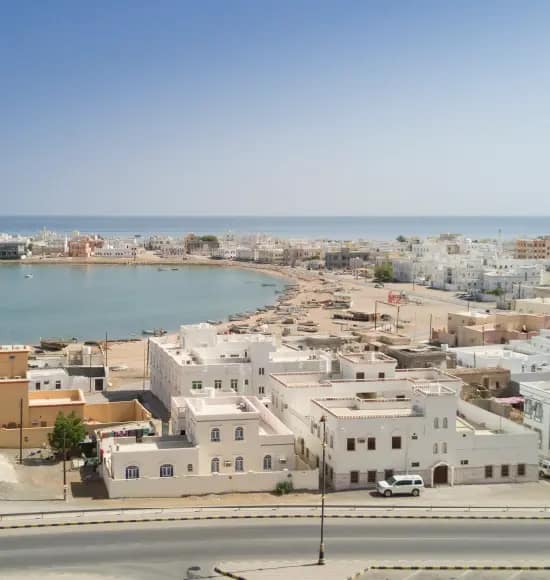
Sohar Free Zone
Location
Size
Tax Holiday
Ownership
Omanisation
Focus

Salalah Free Zone
Location
Infrastructure
Tax Holiday
Ownership
Omanisation
Focus
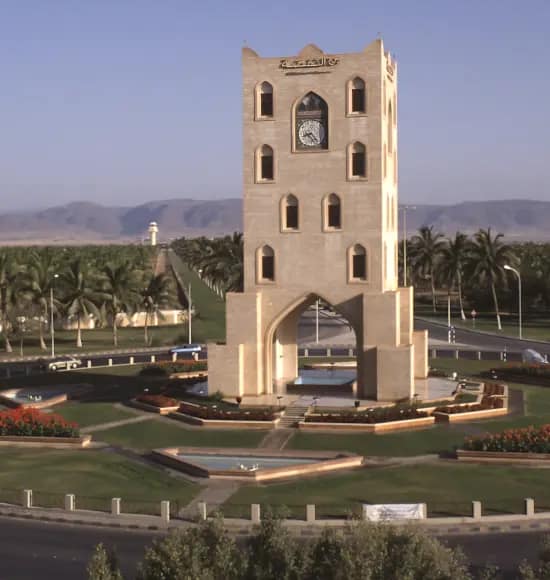
Al Mazunah Free Zone
Location
Tax Holiday
Ownership
Omanisation
Focus
Special

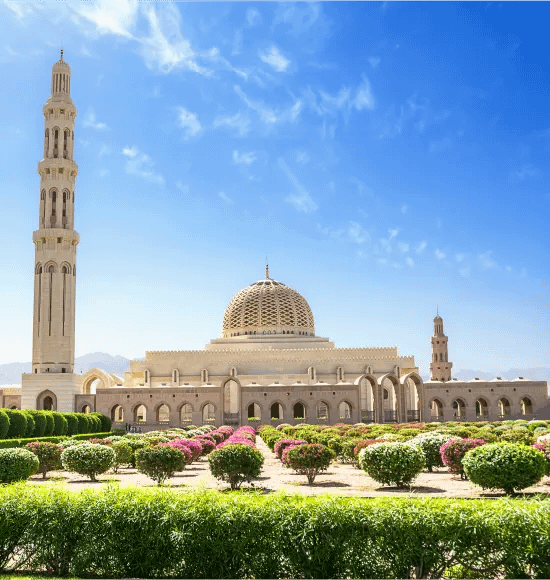
Knowledge Oasis Muscat
Location
Established
Tax Holiday
Ownership
Minimum Capital
Omanisation
Government Investment Support Programs
Future Fund Oman
Size: $5.2B investment capacity
Focus: Tourism, manufacturing, green energy, logistics
Structure: Co-investment opportunities for qualified partners
Management: Oman Investment Authority
Long-Term Residency Visas
Duration: 5-10 year visa options
Benefits: Family sponsorship permitted
Requirements: Registered company and minimum investment
Process: Streamlined application for business owners
Investment Relationship Managers
Service: Dedicated Oman Investment Authority support
Scope: Inquiry through execution assistance
Access: Government connections and approval facilitation
Eligibility: Qualified investors in priority sectors
Nazdaher Programme
Full Name: National Program for Investment and Exports Development
Goal: Position Oman as a competitive investment hub
Services: Export facilitation and market access support
Target: Foreign investors seeking regional expansion
In-Country Value Initiative
Purpose: Enhance the local economy through sourcing and workforce development
Benefits: Supply chain participation opportunities
Requirements: Training investment for long-term workforce benefits
Impact: Preferred vendor status for government contracts
Advantage Oman Forum
Format: Annual international investment forum
Purpose: Showcase sector opportunities to global investors
Participants: Government officials, international investors, industry leaders
Resources: Investment guides and sector analyses
US-Oman Free Trade Agreement Benefits
Tariff Elimination
Agricultural Products: Duty-free access to the US market
Industrial Goods: Zero tariffs on most manufactured products
Textiles & Apparel: Full duty elimination
Consumer Goods: Tariff-free export capabilities
Market Access
US Market Size: $27T economy with 335M consumers
GCC Market: 57M population with high purchasing power
Combined Reach: Dual market access from a single location
Trade Volume: Bilateral trade exceeded $4.8B in 2024
Competitive Edge
Production: Manufacture in Oman free zones
Export: Zero duties to the US market
Re-export: GCC market access under customs union
Cost: Lower operational expenses than US/EU production
Oman Economic Indicators 2025
$102B GDP
Projected growth with diversified revenue streams
3 Continents Access
Direct port infrastructure to Asia, Africa, and Europe
0% Personal Tax
No income tax on employment or investment earnings
15% Corporate Tax
Competitive rate with exemptions for SMEs and free zones
100% Ownership
Complete foreign control permitted across priority sectors
$9.11B ICT Target
Digital economy growing from $5.96B at an 8.88% annual rate
50,000 km²
Land allocation for green hydrogen production projects.
12M Visitors
Tourism target by 2040 with $7.8B infrastructure investment
99% Coverage
4G/5G mobile network supports digital business operations

Frequently Asked Questions
Is there personal income tax in Oman?
No. Oman currently imposes no personal income tax on employment, investment, or rental income. This applies to both citizens and foreign residents.
What is the corporate tax rate?
Standard rate: 15% on net profits. SMEs under OMR 100,000 revenue: 3% rate. Free zone companies: 0% for 10-30 years, depending on the zone. Oil/gas sector: 55% special rate.
Can I get a residence visa through my Oman company?
Yes. Company owners and shareholders receive investor visas. Employee visasare available for hired staff. Family sponsorship permitted for visa holders. Long-term residence options for substantial investors.
Which free zone is best for my business?
Depends on the industry. Duqm: Heavy industry, logistics. Sohar: Manufacturing, metals. Salalah: Chemicals, pharma, export. Al Mazunah: Re-export, warehousing. Knowledge Oasis: Technology, IT.
Do I need an Omani partner?
No for most sectors. Mainland companies in approved sectors allow 100% foreign ownership. Free zones guarantee full foreign control. Some restricted activities require an Omani partnership.
Can my Oman company operate in other GCC countries?
Yes, under GCC commercial cooperation agreements. Additional registrations may be required in target countries. Free trade agreements facilitate cross-border operations and exports.
What is Omanisation?
Government policy requires a percentage of Omani national employees. Mainland: 30% (relaxed first year). Free zones: 10-25% depending on the zone. The requirement for Knowledge Oasis Muscat increases over time.